Awards for injury to feelings are not automatic
November 4, 2026
Energy Costs and the Autumn Budget: Is Relief Finally on the Way?
November 4, 2026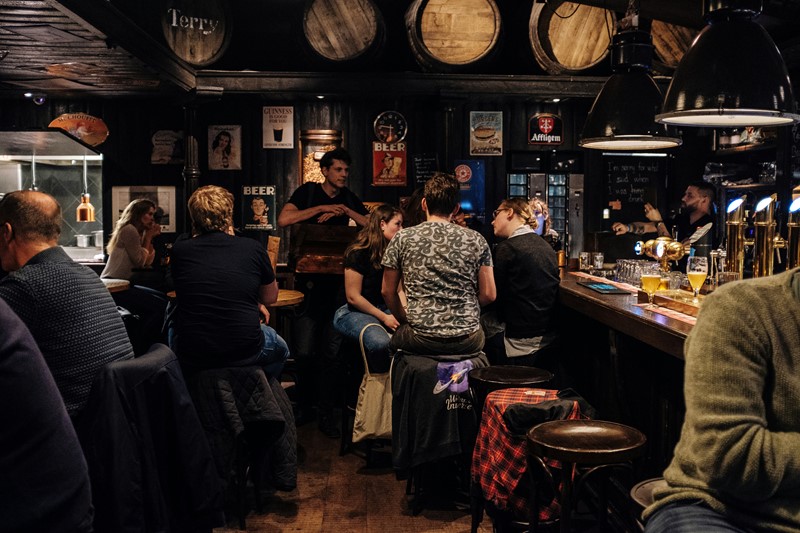
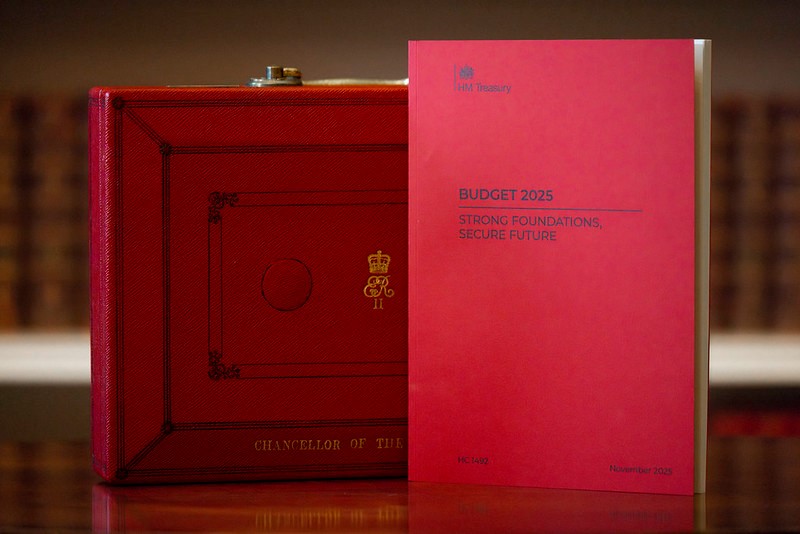
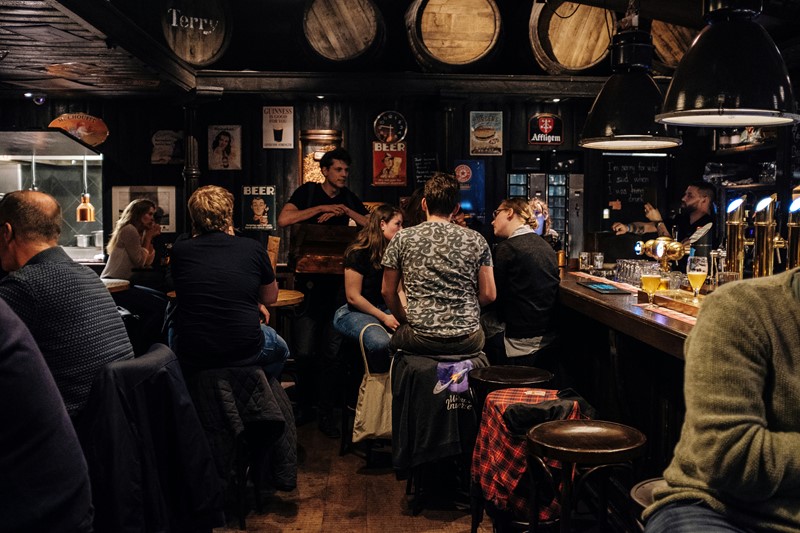
The Autumn Budget announced a package of business rates changes aimed at supporting high street businesses, with pubs, bars, restaurants, social clubs and music venues among the biggest potential beneficiaries.
For hospitality operators already dealing with rising wage costs, inflation and ongoing pressures on profitability, business rates relief could provide a valuable opportunity to improve cash flow and create additional room for investment.
But how much could your business save, and will you qualify?
Business Rates Relief Changes Announced In The Autumn Budget
The government has confirmed further support for retail, hospitality and leisure businesses as part of wider reforms to the business rates system.
From 1 April 2027, the changes include:
- An increase in the Small Business Rate Relief threshold.
- Higher tapered relief limits for eligible small businesses.
- A real-terms freeze on business rates for qualifying retail, hospitality and leisure properties until 2029.
- A further two-year extension of Transitional Relief.
- Continued support for many pubs, restaurants, social clubs and music venues.
According to government estimates, around 70,000 businesses could stop paying business rates altogether as a result of the reforms, while approximately half of all retail, hospitality and leisure properties may pay no rates at all.
For many operators, this could represent one of the most significant reductions in fixed property costs seen in over a decade.
Understanding Small Business Rate Relief
Small Business Rate Relief (SBRR) is designed to reduce or eliminate business rates bills for smaller premises.
Under the new rules:
- Properties with a rateable value of £18,000 or below will benefit from enhanced support.
- Premises with a rateable value of £12,000 or less can still qualify for 100% relief.
- Tapered relief will now apply to properties with a rateable value between £12,001 and £21,000.
This means many independent pubs, bars, cafés, restaurants and leisure businesses could receive either full relief or a substantial reduction in their rates bill.
For operators running smaller venues, particularly in market towns and suburban high streets, these changes could free up funds that would otherwise be absorbed by property costs.
How Much Could Your Pub Save?
The exact value of business rates relief depends on your property's rateable value, location and eligibility.
For example:
Example 1: Small Community Pub
A pub with a rateable value of £11,500 could continue to qualify for full Small Business Rate Relief.
Potential outcome:
- 100% relief on qualifying business rates.
- No business rates bill.
- Improved monthly cash flow.
Example 2: Independent Bar
A bar with a rateable value of £16,000 previously receiving reduced support may now fall within the expanded tapered relief range.
Potential outcome:
- Partial rates relief.
- Lower annual business rates bills.
- Additional working capital available for operations.
Example 3: Multi-Use Social Club
A social club operating from a property with a rateable value close to the new threshold could qualify for significant relief while also benefiting from the real-terms freeze in business rates increases.
Potential outcome:
- Reduced property costs.
- Greater forecasting certainty.
- More stable long-term budgeting.
What Is Transitional Relief?
Transitional Relief is designed to help businesses avoid sharp increases in business rates following property revaluations.
The government has confirmed that the Transitional Relief Supplement will continue for a further two years.
For hospitality businesses facing increases in rateable values, Transitional Relief can help spread those additional costs over time rather than creating a sudden jump in annual expenses.
Around 37,000 small ratepayers are expected to benefit from the extension.
For pubs investing in improvements or operating in areas with rising property values, this protection could prove particularly valuable.
Which Hospitality Businesses Are Most Likely To Benefit?
While individual circumstances will vary, the businesses most likely to benefit include:
- Independent pubs.
- Community pubs.
- Restaurants and cafés.
- Live music venues.
- Social clubs.
- Smaller leisure businesses.
- Qualifying retail hospitality and leisure properties.
Operators with lower rateable values are likely to see the greatest percentage savings, although larger hospitality businesses may still benefit from freezes and transitional relief measures.
Businesses That May No Longer Qualify
The Autumn Budget also includes measures intended to better target support towards traditional high street businesses.
As a result:
- Vape shops will lose access to Small Business Rate Relief.
- Adult gaming centres will lose access to certain forms of business rates relief.
- Some businesses will see eligibility rules tightened.
Understanding your status before the changes take effect will be essential to avoiding unexpected costs.
Fiscal Devolution And What It Means For Hospitality
Alongside rates relief changes, the government has announced wider fiscal devolution measures.
Under the proposals:
- Mayors will retain 20% of locally retained business rates from 2027.
- Local authorities will retain at least 70% of business rates revenues by 2030.
- Strategic authorities may be able to introduce an Overnight Visitor Levy.
The intention is to give local authorities greater control over local economic development and funding decisions.
For hospitality businesses, this could create both opportunities and challenges depending on how local policies develop in future years.
Why Cash Flow Matters More Than Ever
Many hospitality operators focus on turnover, but the real benefit of business rates relief is often seen in cash flow.
Reducing fixed overheads can help businesses:
- Build cash reserves.
- Recruit and retain staff.
- Invest in refurbishments.
- Upgrade outdoor trading areas.
- Improve energy efficiency.
- Manage rising operating costs.
A reduction in business rates does not simply lower a tax bill. It can create flexibility that allows businesses to make strategic investment decisions with more confidence.
Planning Ahead For April 2027
The new rules are not automatic in every case.
Many small businesses will need to:
- Review their property's rateable value.
- Confirm eligibility for Small Business Rate Relief.
- Understand whether Transitional Relief applies.
- Check any local authority application requirements.
- Factor expected savings into future budgets and cash flow forecasts.
Taking action early can help ensure you receive the relief available and avoid paying more than necessary.
Need Advice On Business Rates Relief?
Business rates remain one of the most complex areas of hospitality taxation and property costs.
At HLWA, we work with pubs, bars, restaurants and hospitality operators across the UK to understand their liabilities, identify available reliefs and improve cash flow planning.
As BII Accredited Advisors to the Licensed Trade, we understand the commercial realities facing hospitality businesses and can help you assess how the latest Budget measures may affect your venue.
Get in touch with HLWA today for tailored advice on business rates relief, cash flow planning and preparing for the 2027 changes.