Business Rates Relief Extended: What Could Your Pub Save?
November 4, 2026
New VAT rules for private hire
November 5, 2026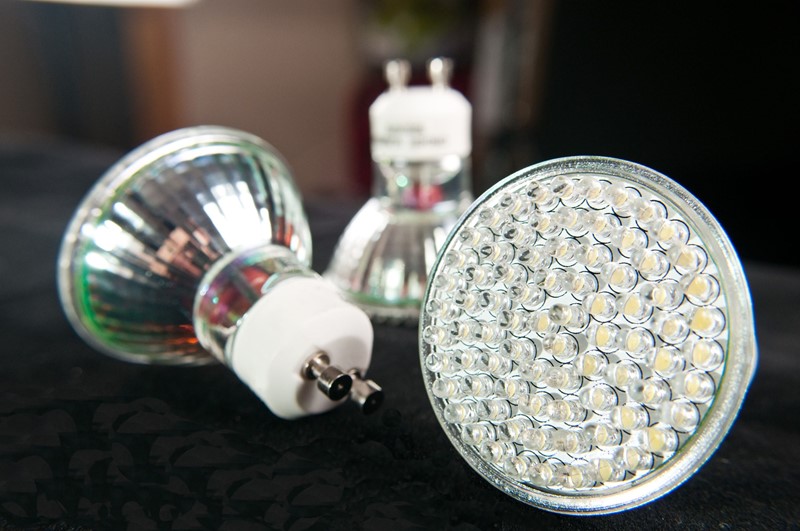
Energy costs remain one of the biggest challenges facing pubs, bars, restaurants and hospitality businesses.
While inflation has eased compared with the peak of the energy crisis, many operators are still paying significantly more for gas and electricity than they were before 2021. Rising wholesale prices, ongoing geopolitical uncertainty and growing demand continue to put pressure on business energy bills.
The Autumn Budget introduced further support measures aimed at reducing energy costs and helping businesses manage future volatility. But what do these changes mean in practice for hospitality operators?
More importantly, how can businesses turn energy management into a long-term profitability strategy?
Why Energy Costs Still Matter for Hospitality Businesses
For many hospitality venues, energy is no longer simply a utility bill. It has become a major operational cost that directly affects margins.
Whether you're running a community pub, a city-centre bar or a multi-site hospitality group, energy is required for:
- Cellar cooling systems.
- Refrigeration.
- Commercial kitchens.
- HVAC systems.
- Lighting.
- Entertainment equipment.
- Outdoor heaters and covered dining areas.
As a result, even modest increases in energy prices can significantly impact profitability.
The government's latest measures aim to ease some of this pressure, but operators should view any relief as just one part of a wider energy management strategy.
What Energy Support Was Announced?
The Budget extends support designed to help businesses manage electricity costs while introducing reforms intended to improve the efficiency of utility charging structures.
While the exact savings will vary depending on energy usage and premises size, the overall objective is clear:
- Reduce pressure from rising energy costs.
- Improve business confidence.
- Support investment.
- Help businesses manage volatility in energy markets.
For hospitality businesses operating on tight margins, any reduction in energy spend can have a direct and immediate impact on cash flow.
The Real Opportunity: Effective Energy Management
Government support can help, but the biggest savings often come from improving energy efficiency and reducing waste.
Many hospitality businesses focus on negotiating a better tariff while overlooking how much energy they actually use.
Effective energy management looks at both.
Key areas include:
- Monitoring energy consumption.
- Identifying wasted energy.
- Analysing usage patterns.
- Reviewing equipment efficiency.
- Training teams to reduce unnecessary usage.
- Benchmarking sites against each other.
Businesses that combine support measures with proactive energy management often see greater long-term cost savings than those relying solely on supplier discounts.
How Energy Management Systems Can Reduce Costs
Modern Energy Management Systems (EMS) are becoming increasingly popular across the hospitality sector.
An EMS captures consumption data from meters and sensors in real time, helping operators understand exactly how much energy is being used throughout their premises.
This provides several business benefits:
Identify Energy Waste
Many pubs unknowingly pay to power:
- Unused equipment.
- Poorly configured refrigeration units.
- Overheated cellar systems.
- Lighting left on outside trading hours.
Real-time monitoring helps identify inefficiencies quickly before they become expensive.
Improve Cost Control
Rather than waiting for a monthly electricity bill, operators can track energy usage as it happens.
This makes it easier to spot unusual spikes, investigate issues and take corrective action.
Support Sustainability Goals
Energy management systems can also help businesses monitor carbon emissions and demonstrate progress towards sustainability goals.
Increasingly, customers, suppliers and lenders are taking environmental performance into account when making decisions.
Simple Ways Hospitality Businesses Can Save Energy
Review Your Energy Tariff
Many businesses remain on contracts that are no longer competitive.
Regularly comparing energy suppliers and reviewing renewal terms can often generate immediate cost savings.
Install Smart Meters
Smart meters provide more accurate consumption data and can help identify unexpected energy usage.
Better visibility often leads directly to lower energy spend.
Upgrade Lighting
Switching to LED lighting remains one of the fastest and simplest energy efficiency improvements available.
The payback period is often measured in months rather than years.
Optimise HVAC Systems
Heating, cooling and ventilation systems are among the largest energy users in hospitality premises